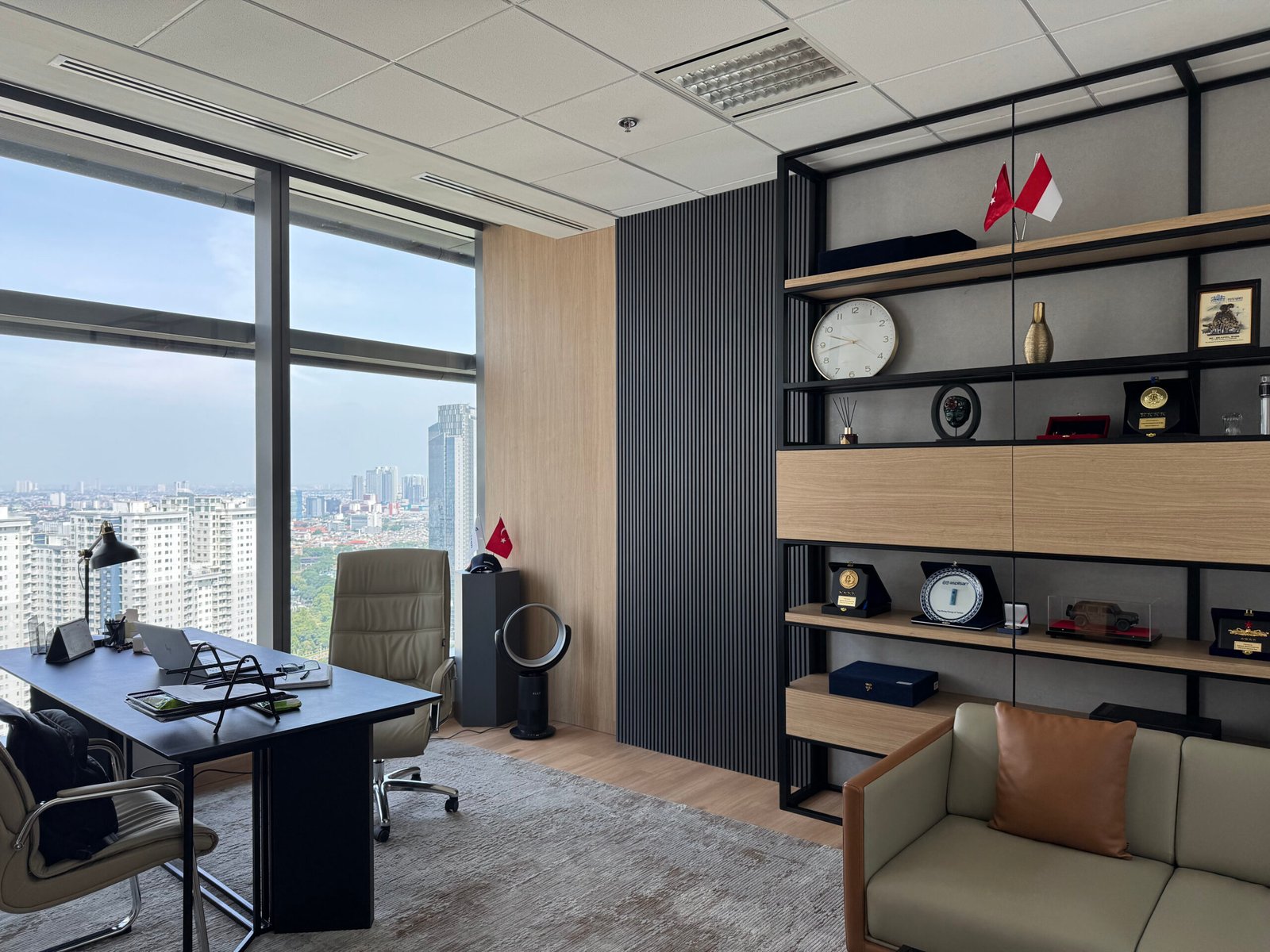
In today’s competitive business environment, office interiors play a strategic role beyond aesthetics. For companies operating in premium buildings, interior fit-out design is a reflection of corporate identity, operational efficiency, and long-term business vision. A well-executed office fit-out enhances productivity, supports collaboration, and reinforces a professional image aligned with the prestige of the building itself.
Premium office fit-out projects require a balanced approach that integrates design excellence, technical precision, and seamless execution.
Understanding Premium Office Fit-Out
Office fit-out refers to the process of transforming an empty or semi-finished space into a fully functional workplace. In premium-grade buildings, fit-out projects must meet higher standards in terms of material quality, detailing, building integration, and compliance with management regulations.
Unlike standard office interiors, premium office fit-outs emphasize refined finishes, custom detailing, advanced building systems, and a cohesive design language that aligns with the company’s brand values.
Key Design Principles for Premium Office Interiors
1. Functional Space Planning
Effective space planning is the foundation of a successful office fit-out. Work zones, meeting rooms, executive offices, collaborative areas, and support facilities must be carefully arranged to ensure smooth circulation and operational efficiency.
In premium offices, layouts are designed to balance openness and privacy, providing flexible workspaces while maintaining acoustic comfort and visual clarity.
2. High-Quality Materials and Finishes
Material selection plays a crucial role in defining the quality of a premium office. Natural stone, high-grade wood veneer, glass partitions, metal accents, and custom joinery are commonly used to create a refined and professional atmosphere.
Beyond aesthetics, materials must meet durability, fire safety, and sustainability requirements, ensuring long-term performance and compliance with building standards.
3. Corporate Identity Integration
A premium office interior should clearly communicate the company’s brand and culture. Design elements such as color schemes, spatial hierarchy, lighting design, and custom furniture are used to reinforce corporate identity in a subtle yet impactful manner.
Reception areas and executive zones often receive special attention, as they serve as the first point of contact for clients and stakeholders.
Technical Considerations in Premium Fit-Out Projects
Building Systems Integration
Premium office fit-outs require close coordination with existing building systems, including HVAC, electrical, fire protection, and IT infrastructure. Designs must align with base building specifications and management guidelines to ensure seamless integration.
Precision in technical coordination is essential to avoid conflicts, rework, and operational disruptions.
Lighting and Acoustics
Lighting design is a critical component of office interiors. A combination of ambient, task, and accent lighting enhances visual comfort and highlights architectural features. In premium offices, lighting systems are often integrated with smart controls to improve energy efficiency.
Acoustic performance is equally important. Sound-absorbing materials, acoustic panels, and proper zoning help create a comfortable and productive work environment.
The Importance of Fit-Out Execution
Design excellence must be supported by high-quality execution. Premium fit-out projects demand meticulous workmanship, accurate detailing, and strict quality control throughout the construction process.
Clear coordination between designers, contractors, and building management ensures that installation works—such as partitions, ceilings, flooring, and built-in furniture—are completed efficiently and to the highest standards.
Timely execution is also critical, particularly in commercial buildings where tenants operate within fixed handover schedules.
Creating Long-Term Value Through Premium Office Design
A well-designed premium office fit-out delivers long-term value by improving employee satisfaction, operational efficiency, and brand perception. Flexible layouts allow spaces to adapt to future organizational changes, while durable materials reduce maintenance costs over time.
Moreover, premium interior design contributes to a positive workplace experience, supporting productivity, collaboration, and employee well-being.
No responses yet